ServicesSiding
Edgewood Siding, With Every Material Explained
A careful repair or a full set of new walls, explained before you choose. We work with vinyl, insulated vinyl and fiber cement, and we walk you through what each one needs over the years, what sits behind your current siding and what the job should include.
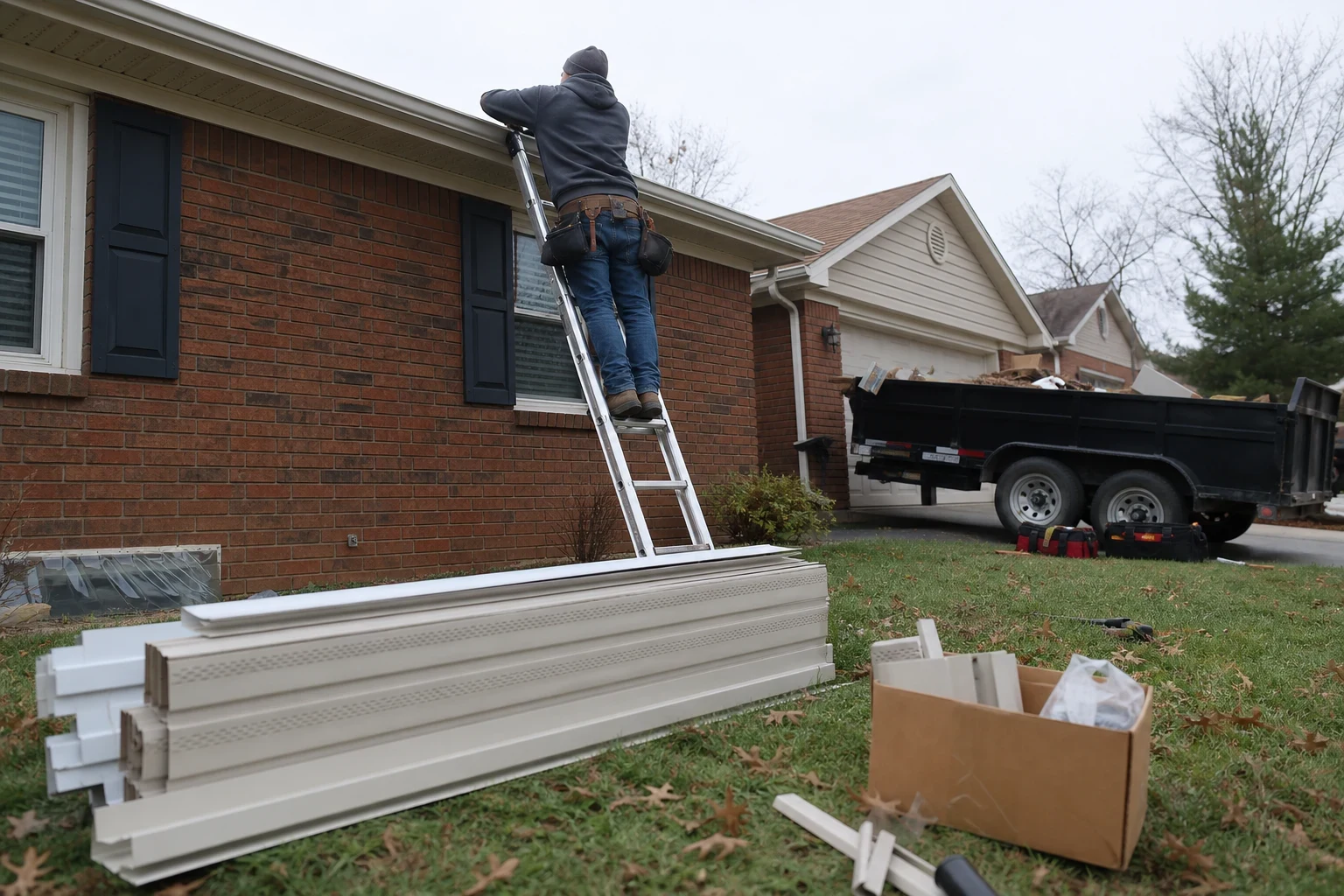
What Siding Work Covers, and When It Makes Sense
Siding is the outer skin of your home's walls. Its real job is to shed water and protect the house wrap and sheathing behind it. When a few panels crack or blow loose, a repair is usually the right call. When water has started getting behind the walls, or the old material is brittle and faded across every side, replacement tends to cost less over time than chasing one patch after another.
Many houses around Edgewood and Fort Mitchell were built with aluminum or early vinyl siding that is now several decades old. Freeze and thaw cycles each winter make tired panels brittle and open up gaps at corners and windows. We look at the whole wall, tell you what we see in everyday words and let you weigh the options.
What Our Siding Work Includes
Panel repair and matching
We swap out cracked, loose or dented panels and hunt for the nearest profile and color. Older siding fades and some styles are discontinued, so we say up front when a perfect blend is unlikely. One answer is moving original panels to the front of the house and placing the new ones on a side few people see.
Full siding replacement
We remove the old siding, check the sheathing and install new house wrap, trim and panels. Vinyl is hung loosely on its nails so it can expand and contract with temperature, which keeps it from buckling in summer heat.
Flashing at windows, doors and roof lines
Most siding leaks start where the wall meets something else. We flash around openings and add kick-out flashing where a roof edge runs into a wall, so water lands in the gutter instead of behind the siding.
Sheathing and rot repair
If the wood behind the siding has gone soft, we show you photos, explain the extent and replace only what needs it before new siding goes up.
Trim, soffit and fascia
We finish the eaves and corners so the new walls look complete and the roof edge is sealed against birds, insects and wind-driven rain.
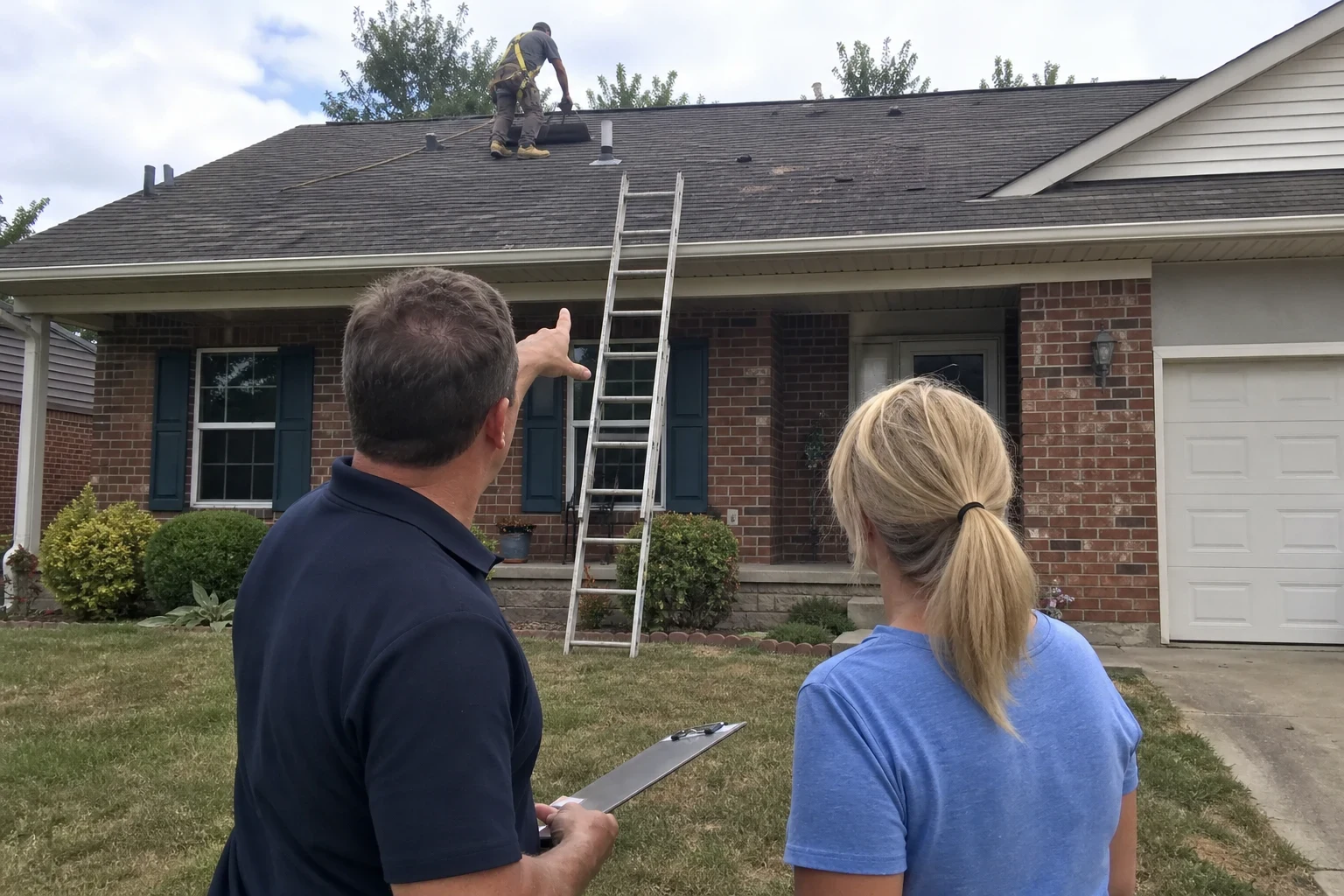
Signs Your Siding Needs Attention
- Warped or buckled panels
- Wavy vinyl usually means it was nailed too tight or has been exposed to heat. Warped panels pull away from the wall and let rain in behind them.
- Stains or blistered paint indoors
- A brown mark or bubbling paint on the inside of an outside wall usually means rain is finding its way behind the siding. Have this one checked sooner rather than later.
- Cracks, holes and hail dents
- Hail and cold snaps crack older vinyl, and aluminum dents easily. Small openings let moisture, insects and wasps into the wall.
- Chalky or badly faded surfaces
- If your hand comes away white after brushing aluminum siding, the finish is breaking down. It is a cosmetic issue at first, then a protection issue.
- Loose panels after a windy night
- Panels that rattle or come off in wind have lost their lock. Replacing a few early keeps the rest of the wall from following.
- Mold or mildew that keeps returning
- Green streaks that come back after cleaning usually mean the wall stays damp. That can point to gutter overflow or missing flashing above.
How a Siding Job Runs
- 1
A free look at your walls
We walk every side of your home, press on suspect areas and photograph what we find. You get an honest answer on whether repair will do or replacement is the better use of your money.
- 2
Materials compared in plain terms
We lay out vinyl, insulated vinyl and fiber cement side by side: how each looks, how it handles cold and sun, what upkeep it needs and how the cost compares. You choose color and profile with samples in hand.
- 3
Preparation and protection
We check whether your city requires a permit and handle it if so. On the first day we cover plants and walkways near the walls and set up so windows and doors stay usable.
- 4
Removal, repair and installation
We strip the old siding in sections and close each one up before starting the next, so the house is not left bare all at once. Sheathing gets repaired, the walls get wrapped, openings get flashed and the new siding goes on.
- 5
Cleanup and walk-around
We pick up scraps and run a magnet over the yard for nails. Then we walk the house with you and point out the details we finished.
What Moves the Price of Siding Work
No two houses price out the same way for siding. Your written estimate breaks the job into its parts, from wall area and material to repairs and trim, rather than folding everything into one lump figure. Four things matter most.
- Size of the walls
- A larger house needs more panels, more wrap and more hours. Tall gables and second-story walls also call for scaffolding or extra ladder work, which adds time.
- Material choice
- Standard vinyl costs the least. Insulated vinyl and fiber cement cost more up front but feel more solid, and fiber cement can be repainted in new colors.
- What is behind the old siding
- Rotted sheathing or missing house wrap adds work. We cannot always see it until panels come off, so we explain how any change would be priced before it happens.
- Trim and details
- Many windows, corners, bump-outs and new soffit or fascia add labor. A simple ranch with few openings costs less per wall than a home with lots of detail.
Common Siding Questions, Answered Plainly
- Will a repair blend in with the siding I have now?
- Usually we can come close. Sun fades older panels, and some profiles have been discontinued. We bring samples so you can hold them against your wall in daylight. If the difference would show, we suggest options such as borrowing original panels from a hidden wall for the front.
- Is vinyl or fiber cement better for my home?
- Vinyl costs less, never needs paint and handles our freeze-thaw winters well when it is installed loosely. Fiber cement is heavier, resists dents and fire, and looks more like painted wood, but it needs repainting over the years. We walk you through both on your own walls.
- Can new siding go right over the old?
- Sometimes, but we usually advise against it. Covering old siding hides any rot or moisture behind it and can make window trim look sunken. Taking it off lets us check the sheathing and install proper wrap and flashing.
- How long will my house be torn up?
- Most homes take a few days, depending on size and repairs. We work wall by wall and clean up each evening, so you can come and go normally.
- Should I do my gutters or roof at the same time?
- It can save work if they are near the end of their life, since trim and flashing tie them together. We will tell you honestly if your gutters or roof are fine as they are.
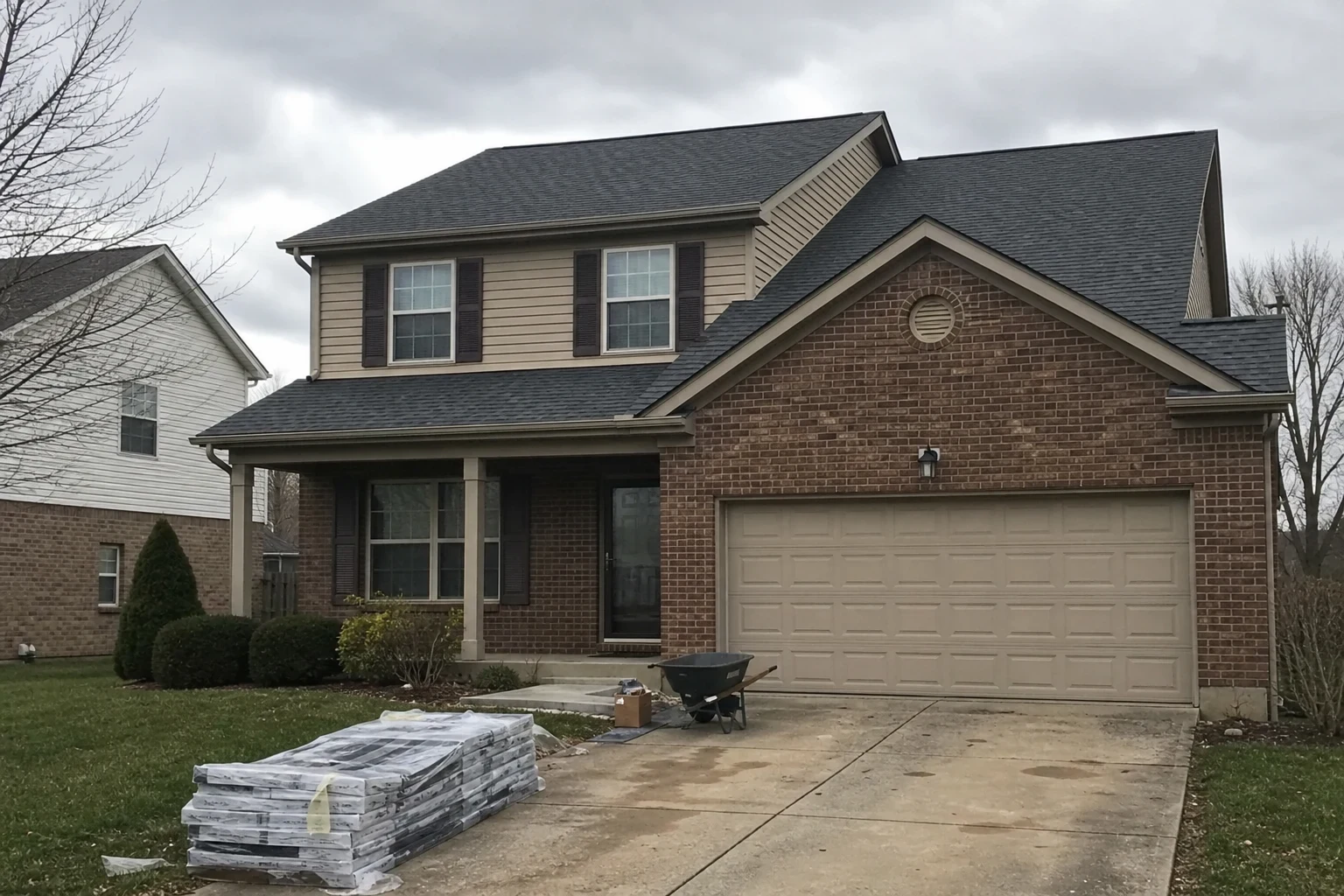
Get a Clear Picture of Your Siding
We will look over every wall, show you what we find and explain your options in plain words. Homeowners in Edgewood and nearby towns can get their quote by phone.